


Digital pianos have come a long way over the past decade. What used to be a compromise is now, in many cases, a deliberate and practical choice. But let’s not pretend they replace acoustic pianos entirely – they don’t. They simply solve different problems. Here, we’ll focus on what digital pianos actually offer today, and where their limits still are.
Why digital pianos became so popular?
The biggest advantage of digital pianos isn’t sound. It’s practicality. You don’t need tuning. You don’t need perfect humidity. You don’t need a large space. And perhaps most importantly – you don’t need understanding neighbours 😉. For many players, especially beginners or hobbyists, that’s enough to make the decision.
Modern instruments have also made everyday playing genuinely easier. You can practice with headphones at midnight without waking anyone up, record yourself without any extra gear, and plug straight into a computer or a practice app. The sound stays consistent whether it’s summer or winter, dry or humid. They remove friction. And that matters more than most people think – though maybe not in the way manufacturers like to frame it.
Sound: good, but not the same
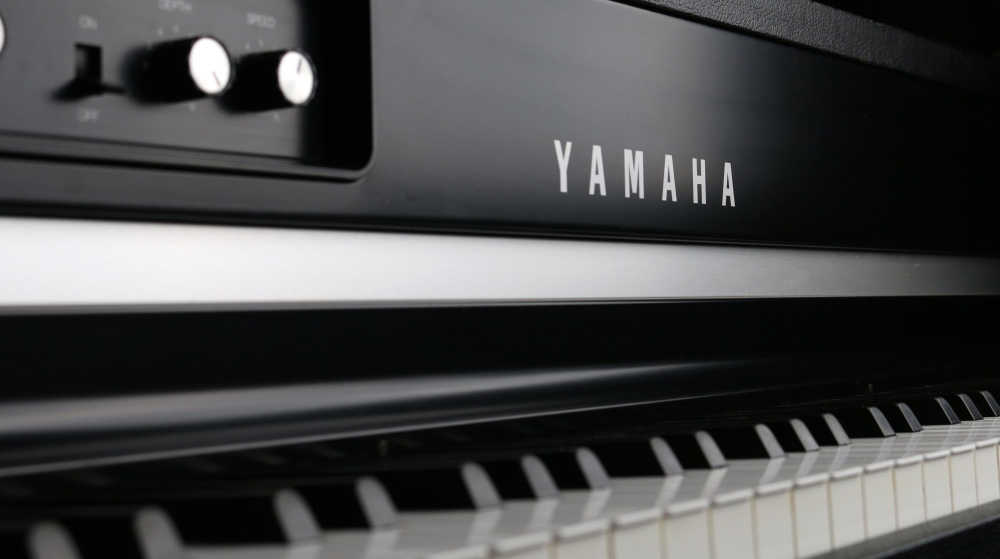
Yamaha and Roland have improved their sound engines considerably in recent years. Current flagship models combine high-quality samples with physical modeling that simulates resonance, string interaction, and even subtle mechanical noises. They sound convincing. Sometimes impressively so.
Still, the difference remains. An acoustic piano produces sound through a vibrating soundboard that interacts with the room around it. A digital piano recreates that through speakers. You notice it most in a big, slow chord – the way it decays, the way it fills the space. That organic, slightly unpredictable quality is hard to fake.
The keyboard action – closer than ever, still a compromise
Modern digital pianos use weighted hammer action mechanisms that do a reasonable job of imitating acoustic feel. Some even simulate escapement and differences in key weight across the register. For most players, that’s enough to build real technique on.
But the tactile feedback of a real acoustic action is more complex than any digital mechanism currently manages. It reacts differently depending on touch, speed, and exactly how deep you push the key. A good digital action gets you most of the way there – just not all of it. Whether that gap matters depends entirely on how far you plan to go.
Where digital pianos make perfect sense
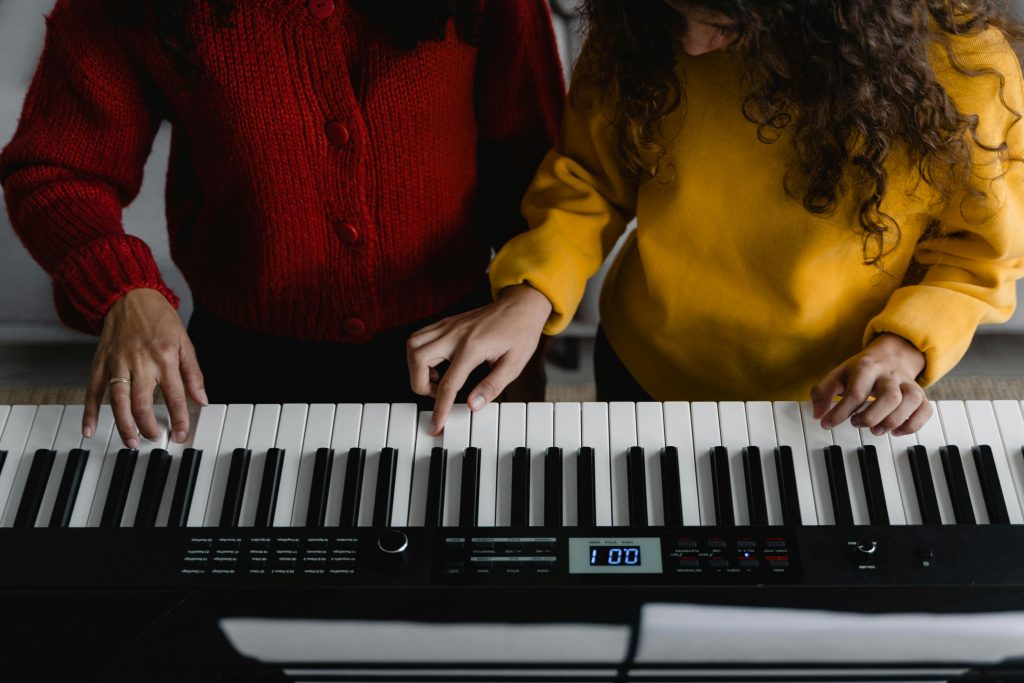
There are situations where a digital piano isn’t a compromise at all – it’s just the obvious choice. Everyday practice at home, limited space, thin walls, a sleeping baby in the next room. They also work well for musicians who need to move around: rehearsals, smaller gigs, teaching in different locations.
Where they still fall short
Even the best digital piano doesn’t fully replace a high-quality acoustic piano. The gap isn’t always obvious at first – it tends to become clearer the longer you play and the more demanding the repertoire. Sound projection, the way the instrument interacts with the room, fine dynamic control: for serious classical playing, these things start to matter more than you’d expect.
If you're still deciding between acoustic and digital, it's worth reading this guide first.
Final thoughts
Digital pianos are no longer just a budget alternative to the real thing. They’re a separate category with a different purpose – and for a lot of players, that purpose fits their life better than an acoustic ever would. They won’t give you everything. But the best instrument isn’t the most advanced one. It’s the one that actually gets played.