



You’ve just inherited piano. It’s beautiful, it holds memories, but you have no idea what it’s worth. Should you sell it for $500? $5,000? Or is it one of those rare instruments worth tens of thousands? Maybe you’re ready to upgrade your old piano, but you’re stuck wondering: “What can I actually get for my current piano?”
Sound familiar?
Here’s the truth, most piano owners have no idea what their instrument is really worth. The good news? Getting a professional piano appraisal online is easier than you think, and it might be the smartest decision you make in your selling journey.
- Why You can’t trust Your gut on piano values
- Your questions about piano appraisals, answered
- How to get Your online piano appraisal on Klaviano.com
- What happens after You get Your appraisal?
- Ready to find out what Your piano is worth?
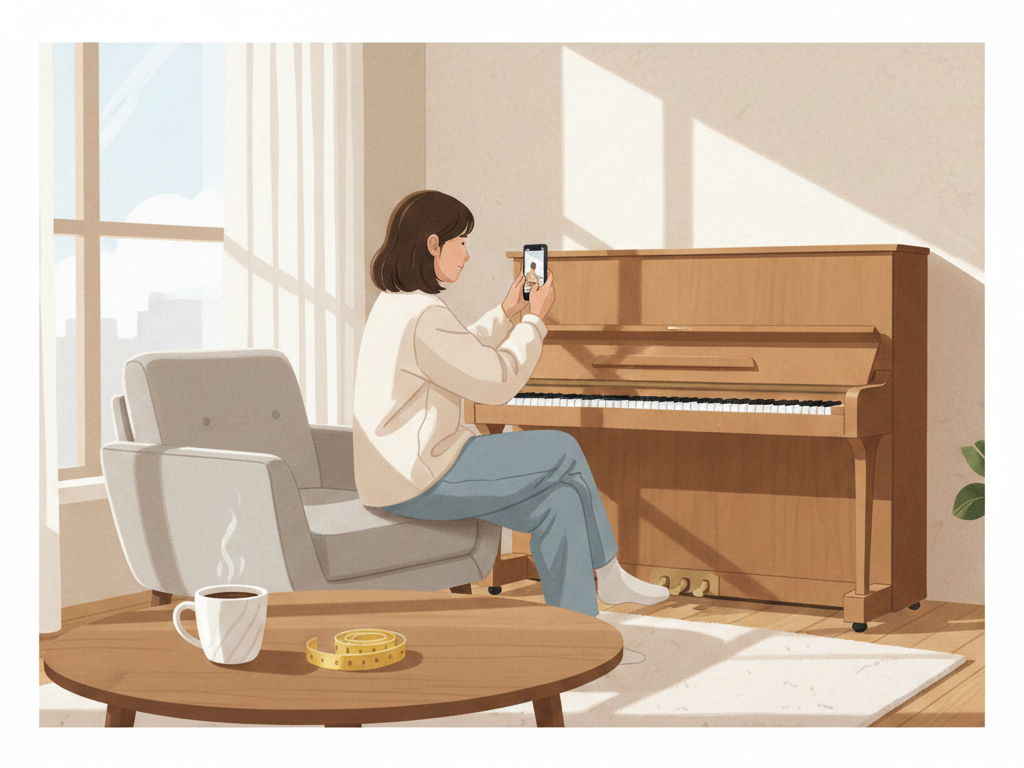
Why You can’t trust Your gut on piano values
That Steinway name on the fallboard might make you think you’re sitting on a goldmine. Or maybe your piano has been in the family for generations. It sounds beautiful to you, but the strings are 40 years old, the hammers are worn, and the finish is cracked.
This is where most sellers make critical mistakes. List your piano too high, and serious buyers scroll right past. Your listing becomes stale. Weeks turn into months. Eventually, you drop the price out of frustration—often below what you could have gotten with the right price from day one. A professional appraisal eliminates guesswork.
Your questions about piano appraisals, answered
What exactly is a piano appraisal?
Think of it as a professional opinion on what your piano is actually worth in today’s market. An expert analyzes everything—the brand, model, age, condition, and even the piano’s history—to give you a realistic selling price. It’s not about what you wish your piano was worth. It’s about what buyers are actually willing to pay.
Do I really need one? Can’t I just look at similar pianos online?
You could. But here’s the problem: two seemingly identical pianos can have vastly different values. One might have been meticulously maintained, tuned regularly, and stored in perfect conditions. The other might look fine on the outside but have internal issues that will cost thousands to fix. Same model, completely different value. An appraisal accounts for these nuances.
Can this really be done online? Don’t you need to see the piano in person?
Great question! Yes, an in-person inspection by a piano technician is the gold standard. They can test the action, check the soundboard for cracks, evaluate the tuning stability, and spot issues you might miss.
But here’s reality: most people don’t have access to a qualified piano appraiser in their area. Or the cost of an in-person appraisal ($150-$300+) doesn’t make sense for a piano they’re selling for $2,000.
That’s where online appraisals shine. By providing detailed photos and accurate information, professional appraisers can give you a reliable market valuation remotely. It’s not perfect, but for most sellers, it’s more than adequate—and far better than guessing.
What makes Klaviano’s appraisal service different?
Klaviano specializes in acoustic pianos and grand pianos (sorry, no digital pianos, organs, or harpsichords). Their expert appraisers review the information and photos you submit to determine your piano’s approximate market value.
Here’s what you get:
- Expert analysis based on current market conditions
- Fair pricing at $39.99—and you’re only charged if they can provide a valuation.
- A 3-month listing on Klaviano’s marketplace, giving your piano exposure to serious piano buyers.
Who actually needs this service?
This service is perfect if you’re: Inheriting a piano and ou don’t know what it’s worth, where to sell it, or even what questions to ask. Upgrading your instrument. You’ve outgrown your current piano and want a better one. Knowing your piano’s value helps you budget for the upgrade. Motivated to sell fast. You’re moving, downsizing, or simply ready for the piano to go.

How to get Your online piano appraisal: The complete process
Ready to find out what your piano is worth? Here’s exactly what you need to do, step by step.
1. Hunt down the brand name
Where to look? Open the piano lid and check the fallboard (the cover over the keys). If not there, look at the cast iron plate inside the piano—it’s often stamped or printed there.
Pro tip: Take a clear photo of the brand name, even if you’ve written it down.
2. Find the model and measure Your piano
The model designation (usually a combination of letters and numbers like “U1” or “O-180”) is typically stamped on the cast iron frame inside the piano. But don’t panic if you can’t find it. Model numbers can be hidden, worn away, or non-existent on older pianos. That’s why measurements are crucial:
Upright pianos: Measure the height from the floor to the very top
Grand pianos: Measure from the keyboard end to the tail
3. Locate the serial number
- Stamped on the cast iron plate near the tuning pins
- Printed inside when you open the top lid
- Sometimes on a small metal plate attached to the frame
This number allows experts to pinpoint the exact year your piano was manufactured.
Pro tip: Serial numbers can be hard to read. Clean the area gently and use a flashlight. Take multiple photos from different angles to ensure at least one is readable.
4. Document every detail
Here’s a secret: bad photos kill appraisals. Blurry, dark, or incomplete photos force appraisers to guess, which means they can’t give you an accurate value. You need 10-15 high-quality photos. Here’s your shot list:
Overall shots:
- Entire piano with the lid closed (front view)
- Entire piano with the lid open (showing the interior)
- Both sides of the piano
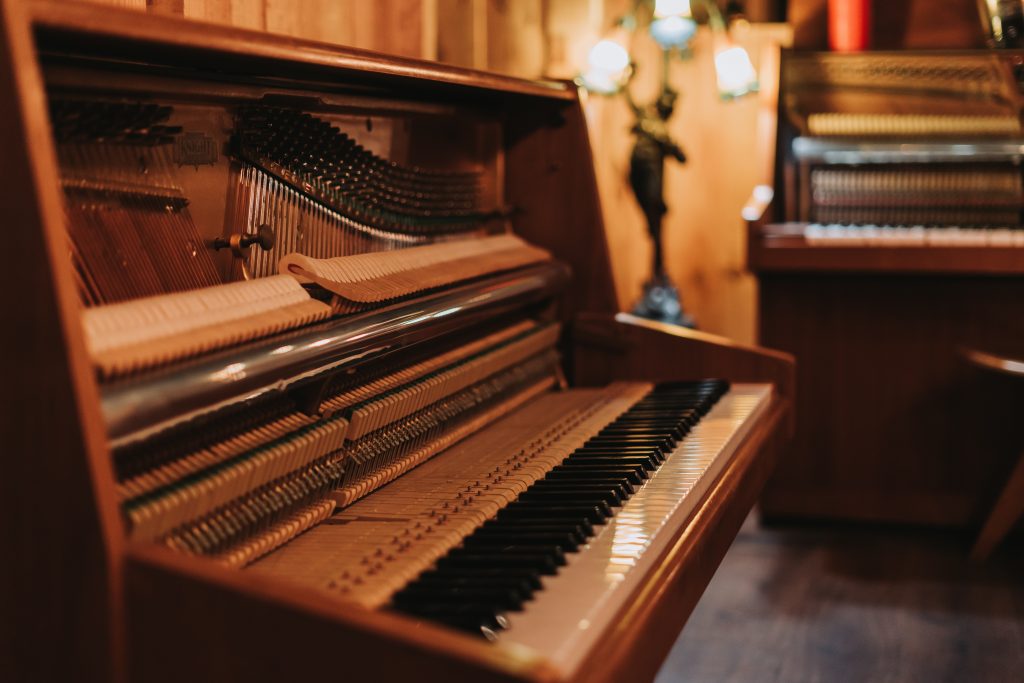
Close-up details:
- Full keyboard (all keys visible)
- Pedals (close enough to see their condition)
- Brand logo/name (clear and readable)
- Serial number (sharp focus—this is crucial)
Interior shots (open the lid):
- Strings and soundboard
- Hammers and action mechanism
- Cast iron frame
Condition documentation:
- Any scratches, dents, chips, or cracks
- Worn or damaged keys
- Any other imperfections
Pro tip: Pretend you’re trying to sell the piano to someone who can’t visit in person. What would they want to see? That’s what you photograph.
5. Fill out the online form
Head to Klaviano’s website and register for an account. You pay nothing at this stage. Submitting your information is completely free.
6. Get Your professional appraisal
Now you wait—but not long. Within 24 to 72 hours, Klaviano’s experts will review your submission. If they can appraise your piano. You’ll receive a notification and be asked to pay the $39.99 fee. Once processed, you get:
- Your piano’s approximate market value
- A 3-month active listing on Klaviano’s marketplace
- Exposure to serious buyers
What happens after You get Your appraisal?
You’ll know your piano’s real value. You’ll set a competitive price that attracts buyers instead of scaring them away. And with your listing active on Klaviano for three months, you’ll have exposure to thousands of potential buyers who are actively looking for pianos.
Ready to find out what Your piano is worth?
You’ve got a piano. You need answers. And now you know exactly how to get them. Whether you inherited a mystery instrument, you’re upgrading to something better, or you just need that piano out of your living room—a professional appraisal is your first step toward a successful sale.
Your piano has a story. Let’s find out what it’s worth.